What Is the Difference Between Roughing and Finishing End Mills?
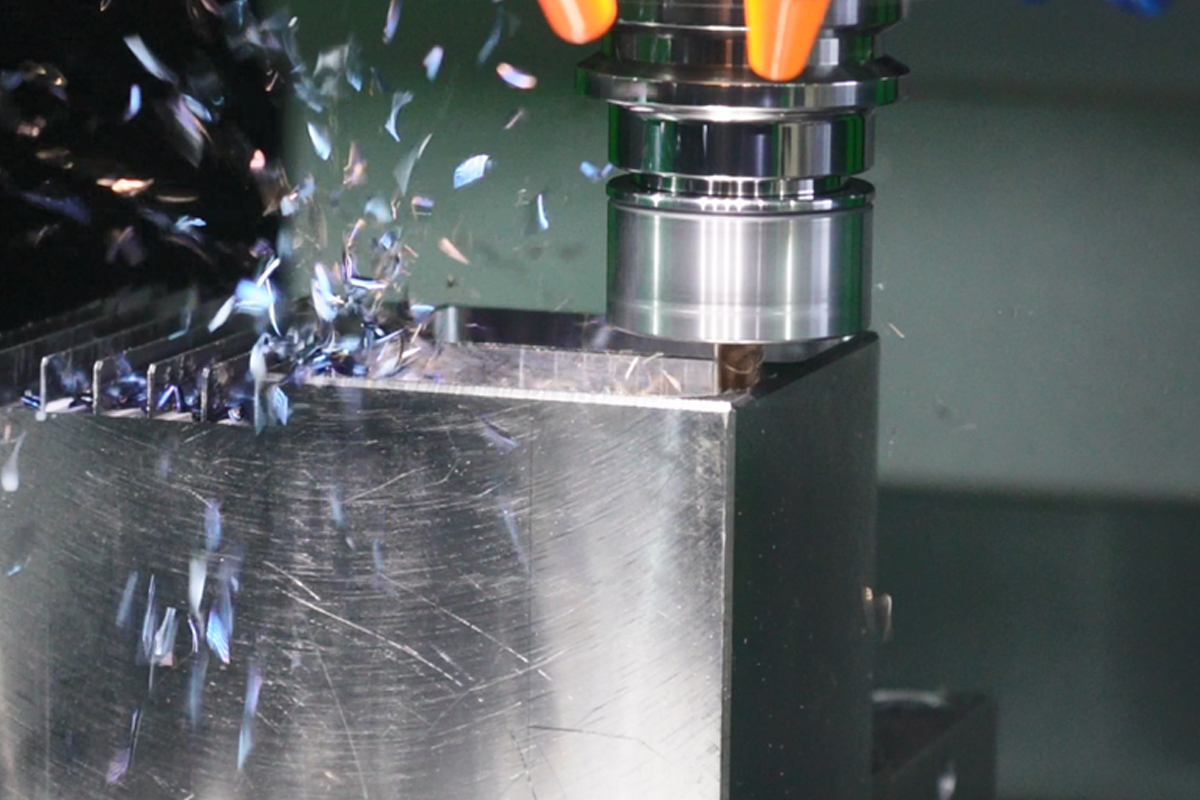
The difference is more than simply “rough” versus “finish.” These two types of cutting tools are designed for different machining stages, and their cutting geometry, material removal strategy, and intended applications are quite different.
In simple terms, roughing end mills are designed to remove material quickly, while finishing end mills are designed to achieve the required dimensional accuracy and surface finish. Understanding when to use each type can help improve machining efficiency, tool life, and final part quality.
What Is a Roughing End Mill Used For?
The primary purpose of a roughing end mill is to remove a large amount of material as quickly and efficiently as possible.
Typical objectives include:
- Removing large amounts of material during roughing
- Reducing overall machining time
- Leaving an appropriate amount of stock for finishing
- Bringing the workpiece closer to its final shape
Key Characteristics of Roughing End Mills
Roughing end mills commonly feature:
- Wavy or serrated cutting edges
- Coarse-tooth flute designs
- Lower cutting resistance
- The ability to handle larger depths of cut and feed rates
- Higher material removal rates
- A relatively rough surface finish after machining
These characteristics make roughing end mills particularly effective when a large amount of material needs to be removed before the finishing operation.
Common Applications
Roughing end mills are widely used for:
- Mold roughing
- Rough machining of mechanical components
- Large-volume material removal
- Machining steel, stainless steel, cast iron, and other metals
What Is a Tungsten Carbide Chip-Breaker Roughing End Mill?
A tungsten carbide chip-breaker roughing end mill is a specialized roughing tool designed to improve chip evacuation and cutting efficiency.
Its cutting edges feature a wavy or serrated geometry, sometimes referred to as a chip-breaker design. Instead of producing long, continuous chips, the irregular cutting edge helps break chips into smaller segments.
This can provide several advantages:
- Smoother chip evacuation
- Reduced cutting resistance
- More stable machining
- Lower risk of chip entanglement
- Reduced vibration in suitable applications
If you are machining relatively sticky materials such as stainless steel or carbon steel, or if vibration and chip evacuation are major concerns, a tungsten carbide chip-breaker roughing end mill can be a practical choice.
What Is a Finishing End Mill Used For?
Unlike a roughing end mill, a finishing end mill is primarily designed to complete the workpiece to its required dimensions and surface quality.
Typical objectives include:
- Improving dimensional accuracy
- Achieving the required surface roughness
- Machining radii, curved surfaces, and detailed features
- Completing the final dimensions of the workpiece
Key Characteristics of Finishing End Mills
Finishing end mills generally feature:
- Sharper cutting edges
- More consistent and regular flute geometry
- Smaller cutting allowances
- Better surface finish
- Greater suitability for precision machining
Common Applications
Finishing end mills are commonly used for:
- Mold finishing
- Precision mechanical components
- 3D contour machining
- Mating and fitting surfaces
- Final dimensional machining
Roughing vs. Finishing End Mills: Which One Should You Use?
The two tools do not necessarily have to be used together. However, using them in sequence is often an efficient machining strategy.
A typical machining process is:
Roughing → Semi-Finishing → Finishing
In machining, roughing is the stage where you strip away the bulk quickly, intentionally leaving a controlled margin of stock — often a few tenths to a couple millimetres — for the finish cut. The finishing end mill's job is then to remove that remaining material and bring the part to the exact dimensions and surface quality required.
Asking a finishing cutter to take heavy cuts is asking for trouble: accelerated tool wear, edge chipping, chatter and vibration, or even outright breakage. For mold making and other precision components, keeping roughing and finishing as separate operations is therefore a common and practical practice — it’s usually cheaper in the long run and produces more reliable results.
Why Is the Right End Mill Important?
Don’t choose between a roughing and a finishing end mill just by looking at the workpiece material — think about where you are in the job. If you’re starting with a block that has lots of excess metal to remove, a tungsten‑carbide roughing end mill (the kind with serrated flutes that break the chips) will let you hog material away faster and with less chatter. Once the bulk is gone, swap to a finishing end mill for the final passes to get the dimensions and surface finish you want. I’ve seen shops save hours this way: rough for speed, finish for precision.
When a part is already taking its final form, I usually reach for a tungsten‑carbide finishing end mill — it’s the tool that gives you real control over the last millimeters: dimensions, surface finish, the crispness of corners and the sweep of curves. In practice it’s not magic, just a finer instrument for the delicate work after the heavy cutting is done. Choose the right cutter, speeds and feeds, and you can tune that sweet spot between how fast you remove material, how long the tool lasts, the time on the machine, and the final accuracy and surface quality — a compromise that, when balanced well, makes the difference between “good enough” and a part that looks and measures like it was meant to.
The main difference is straightforward:Roughing end mills focus on removing material quickly, while finishing end mills focus on accuracy and surface quality.
In high‑efficiency mold and precision machining, using each tool where it belongs keeps finish cutters from being chewed up doing heavy cuts and speeds up the whole process. Instead of asking which type is “better,” it’s more practical to ask which end mill fits the stage of the job — use a stout rougher to clear the bulk, then bring in a fine cutter for the final passes.